Sustainable Industry
Semayang Tyre Recycling
A collection and processing concept for used tyres in East Kalimantan.
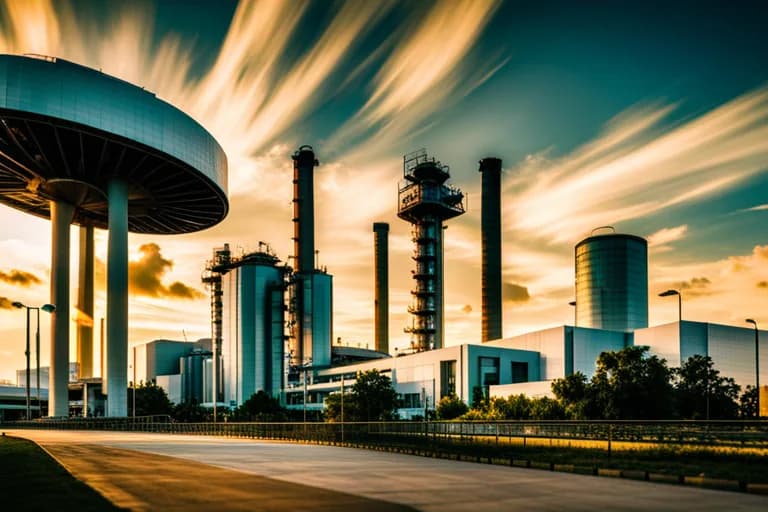
Project frame
A circular-industry concept covering used-tyre collection, storage, processing, recovered-material markets, permits and implementation.
The page translates the source material into a development narrative. Historical metrics, forecasts, named participants and status claims are excluded unless they can be used as clearly qualified concept context.
The waste challenge
Used tyres are bulky, persistent and difficult to manage without an organised recovery route.
The concept considers a regional facility near the Semayang port area as part of a wider collection and materials system serving Balikpapan and East Kalimantan.
Collection network
Supply starts with agreements and handling standards across garages, fleets, dealers and waste operators.
- Defined collection points
- Safe temporary storage
- Route and volume planning
- Traceability and contamination controls
Processing concept
The source considers mechanical and more advanced processing routes that separate useful material fractions.
Technology selection would depend on feedstock, target products, emissions, energy use, local expertise and a verified market. No single process is assumed to be approved or installed.
Facility requirements
The plant would need controlled reception, processing, storage and dispatch areas.
- Weighing and incoming inspection
- Covered tyre storage
- Processing and separation equipment
- Fire prevention and emergency response
- Recovered-material and residue storage
Recovered-material applications
Potential outputs may include rubber granulate, metal recovery and other processed fractions.
Each route needs product specifications, buyer validation, quality control and clear treatment of residual material. Historic market claims are not used as present demand evidence.
Environmental and permit framework
Waste, air, noise, water, fire and occupational safety controls are central to the site decision.
- Environmental assessment and waste permissions
- Safe storage and fire controls
- Emission and discharge management
- Worker training and protective systems
- Monitoring and emergency planning
Market and competition
The business case must connect collected volume with stable buyers and a realistic delivered cost.
Competitor research, substitute materials, collection economics, product quality and logistics need a current market study before equipment and site commitments.
Implementation path
The concept moves through feasibility, permits, site and technology selection, partner agreements, construction, commissioning and market launch.
The schedule in the source is illustrative only. The facility is not presented as built, commissioned or operating.
Development context
Visualising the system, not evidence of delivery.
Conceptual visuals support the editorial narrative. They are not evidence of constructed or operating assets.

Related portfolio
Continue across the development platforms.
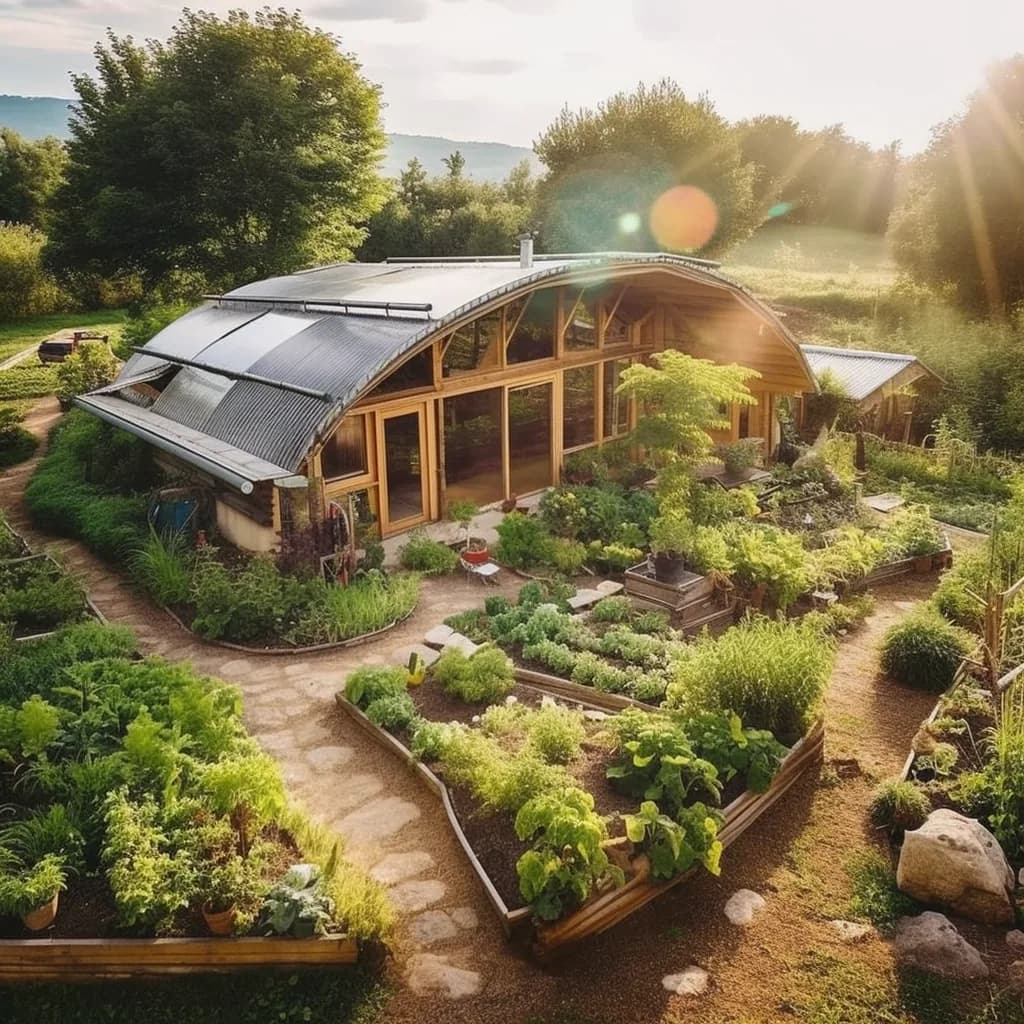
Sustainable Industry Concept
Hijau Living
East Kalimantan / Nusantara development context
A circular-industry concept that connects recovered plastic and wood residues with wood-plastic composite panels and construction applications.
Explore project
Strategic Infrastructure Study
Semayang Port Modernisation
Balikpapan, East Kalimantan
A detailed port-modernisation study spanning marine works, cargo systems, access, navigation, safety, digital operations, maintenance and delivery.
Explore project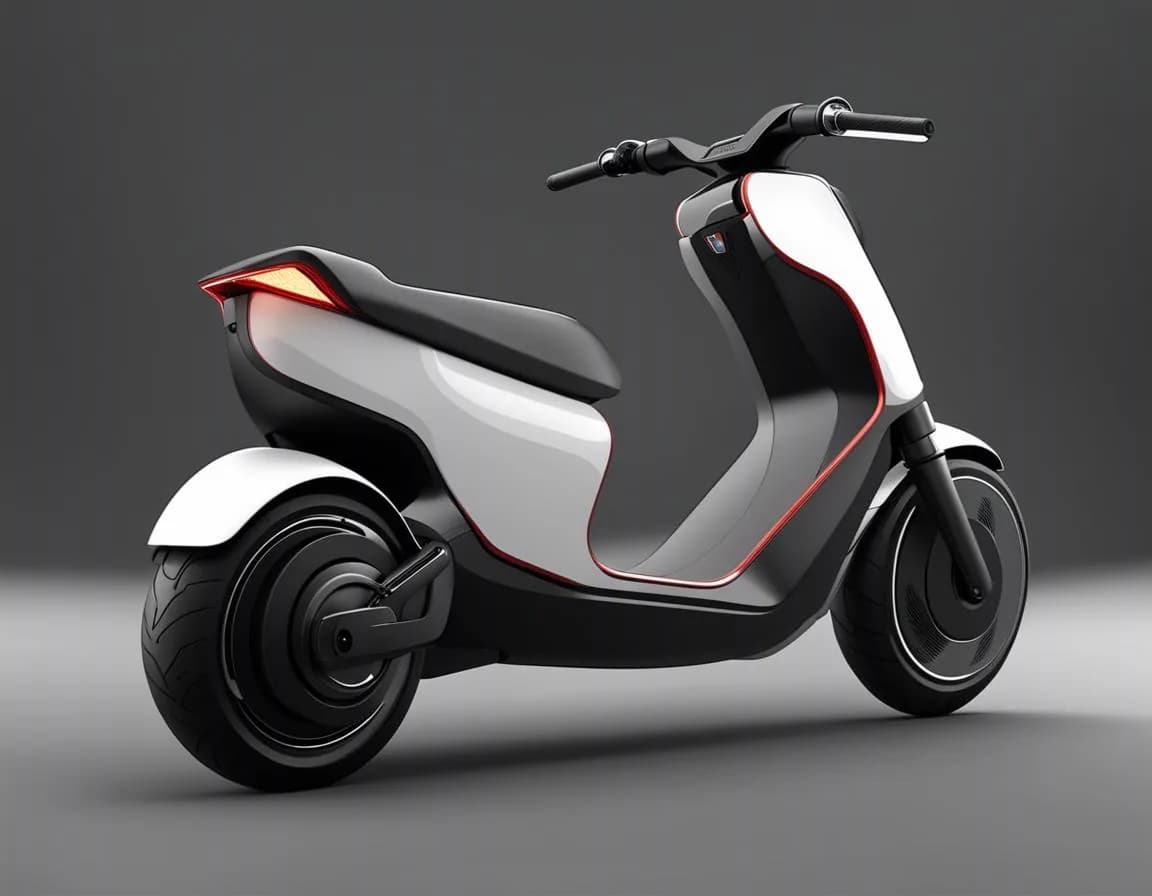
Mobility Development Concept
Bali Electric Mobility
Bali
A mobility concept combining electric two-wheelers, local production, battery exchange, cycling infrastructure and renewable charging ideas.
Explore projectThis page presents a development concept or study. It does not state that the project is owned, financed, approved, appointed, constructed, delivered or operated by PT Asiah Legal Jaya. Current status requires independent verification.