Sustainable Industry
Hijau Living
A circular materials concept for Indonesia’s next generation of construction.
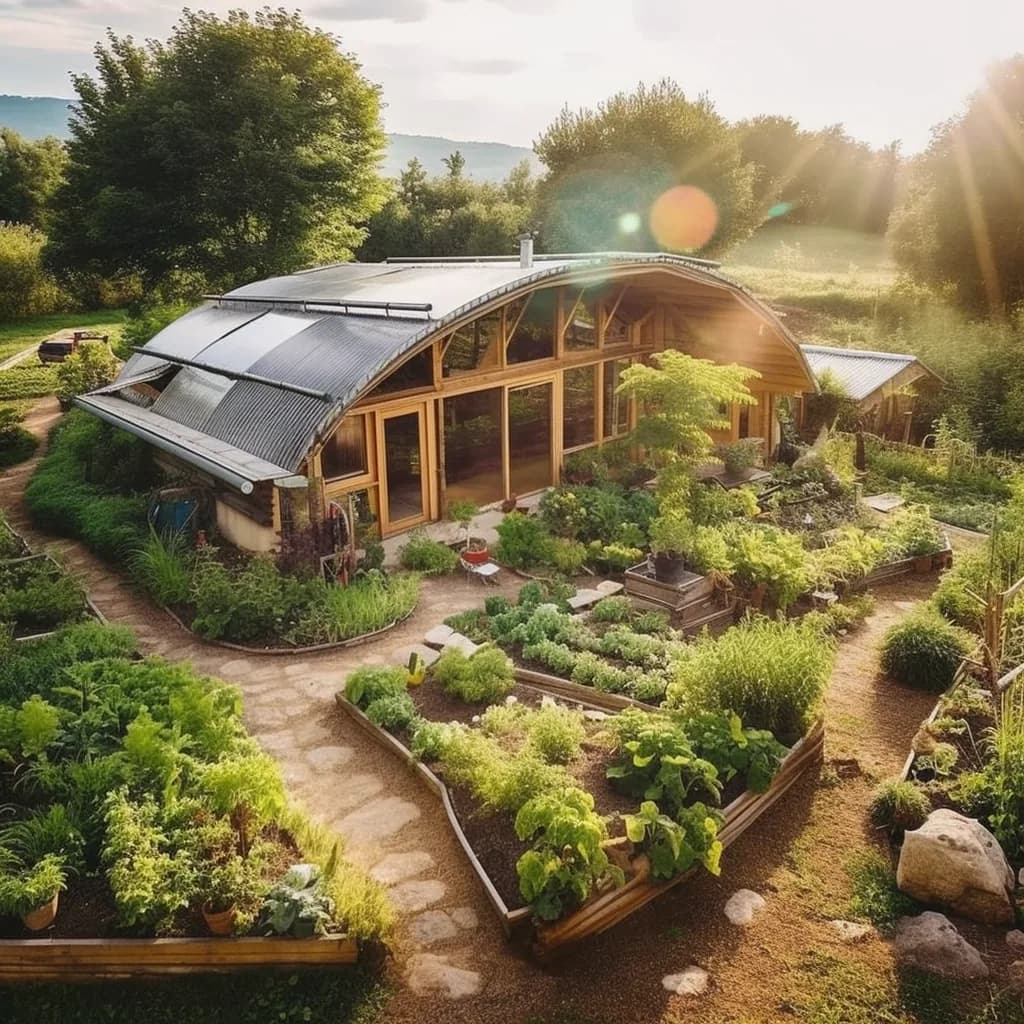
Project frame
A circular-industry concept that connects recovered plastic and wood residues with wood-plastic composite panels and construction applications.
The page translates the source material into a development narrative. Historical metrics, forecasts, named participants and status claims are excluded unless they can be used as clearly qualified concept context.
The material opportunity
Hijau Living starts with two underused material streams: recovered plastic and wood residues.
The concept explores how collection, sorting and controlled processing could turn these streams into durable construction inputs while reducing disposal pressure.
From waste streams to construction material
Plastic and wood require separate collection and preparation before they can enter a stable composite formulation.
- Source and collect suitable plastic waste
- Recover clean wood residues
- Sort, clean, dry and size the inputs
- Blend and extrude a controlled composite
- Finish, test and store the resulting products
Collection and logistics
A production line is only viable when incoming material is consistent, traceable and safely handled.
The development case therefore includes suppliers, collection routes, transport, unloading, contamination control and storage. Local availability and seasonality would need validation before line sizing.
Wood-plastic composite production
The principal concept describes an indicative line of approximately six tonnes per day and panel formats around one metre by one metre.
These are study parameters, not current output. The equipment annex expands the process through feeding, mixing, twin-screw extrusion, moulding, calibration, haul-off, cutting and stacking.
Product applications
The concept focuses on panels and derivative profiles that could be developed for construction and interior applications.
- Wall and partition panels
- Interior and fit-out elements
- Profiles and derivative products
- Applications requiring moisture-resistant composite material
Factory requirements
The facility case includes far more than the extrusion line.
- Material reception, sorting and storage
- Production, finishing and quality-control zones
- Power, water, ventilation and fire safety
- Trucks, forklifts and internal logistics
- Maintenance, spares, offices and trained operators
Environmental framework
Waste handling does not become sustainable by definition; impacts must be assessed and controlled.
The study identifies permits for construction, operations, transport and waste management, together with biodiversity, emissions, residual waste, worker safety and any cross-border waste movement. Producer responsibility and applicable environmental rules require current specialist review.
Market development
Demand depends on verified performance, repeatable quality and an application-led route to market.
- Material and product testing
- Construction-sector qualification
- Pilot applications and customer feedback
- Pricing against substitute materials
- Distribution and technical support
Partners and operating structure
The concept requires coordinated material, logistics, technical, financial and authority relationships.
Suppliers, transport partners, equipment specialists, testing bodies, customers, local authorities and environmental stakeholders each control part of the operating case.
Path to implementation
The work progresses from evidence to pilot, then to an investment decision and controlled commissioning.
- Validate feedstock and market demand
- Test material formulation and applications
- Define site, utilities and permits
- Confirm equipment and quality requirements
- Structure partners, financing and organisation
- Commission, train and monitor against clear KPIs
Development context
Visualising the system, not evidence of delivery.
Conceptual visuals support the editorial narrative. They are not evidence of constructed or operating assets.

Related portfolio
Continue across the development platforms.
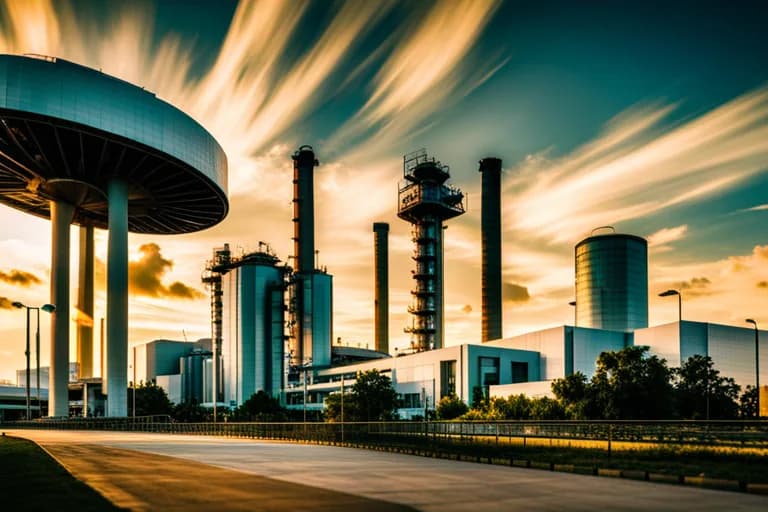
Sustainable Industry Concept
Semayang Tyre Recycling
Balikpapan, East Kalimantan
A circular-industry concept covering used-tyre collection, storage, processing, recovered-material markets, permits and implementation.
Explore project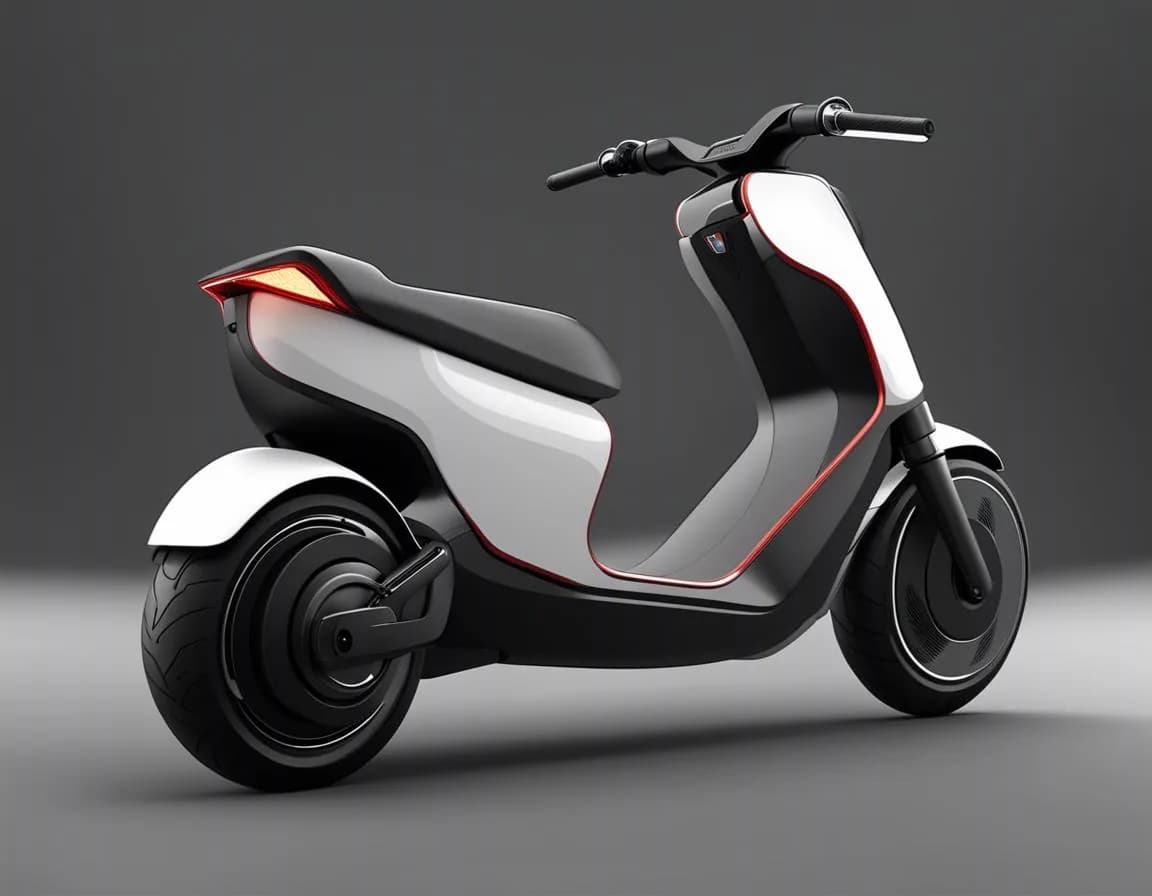
Mobility Development Concept
Bali Electric Mobility
Bali
A mobility concept combining electric two-wheelers, local production, battery exchange, cycling infrastructure and renewable charging ideas.
Explore project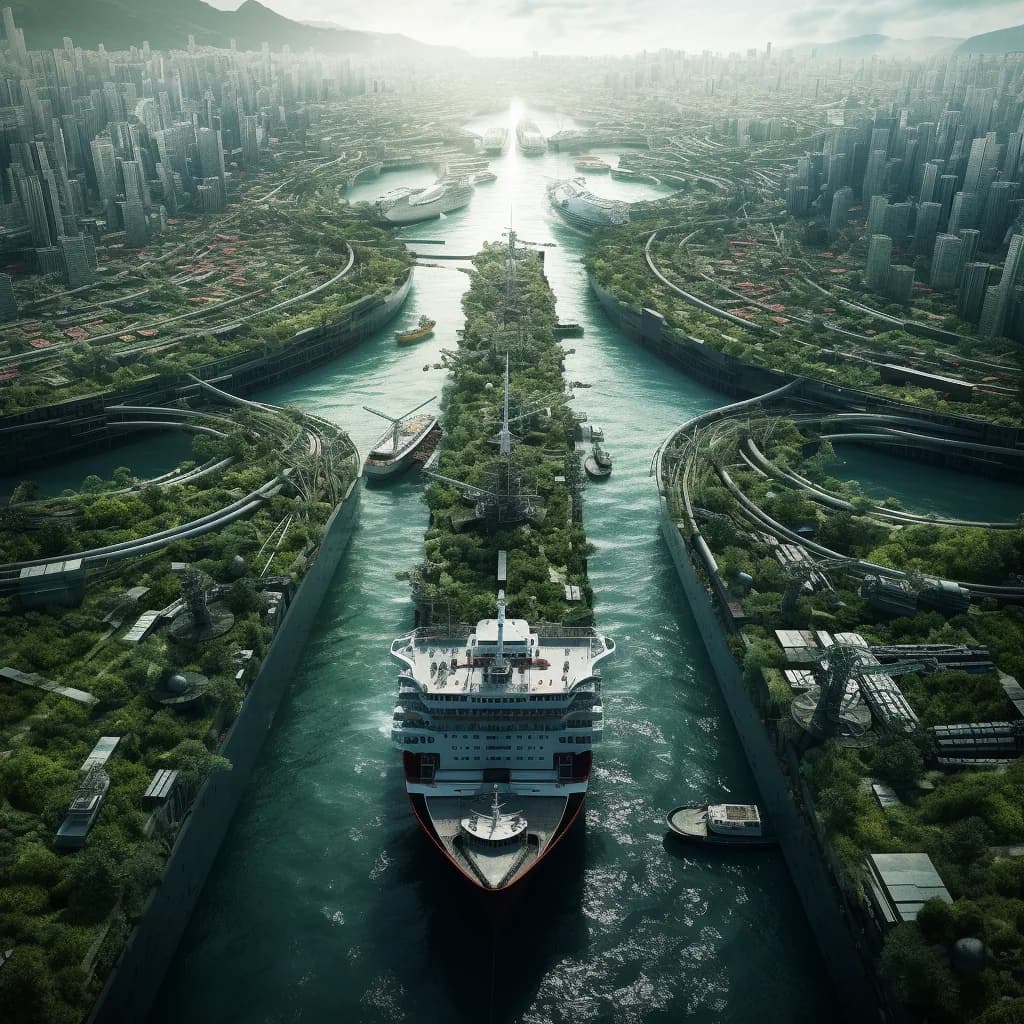
Strategic Infrastructure Study
Semayang Port Modernisation
Balikpapan, East Kalimantan
A detailed port-modernisation study spanning marine works, cargo systems, access, navigation, safety, digital operations, maintenance and delivery.
Explore projectThis page presents a development concept or study. It does not state that the project is owned, financed, approved, appointed, constructed, delivered or operated by PT Asiah Legal Jaya. Current status requires independent verification.