Infrastructure & Connectivity
Bali Electric Mobility
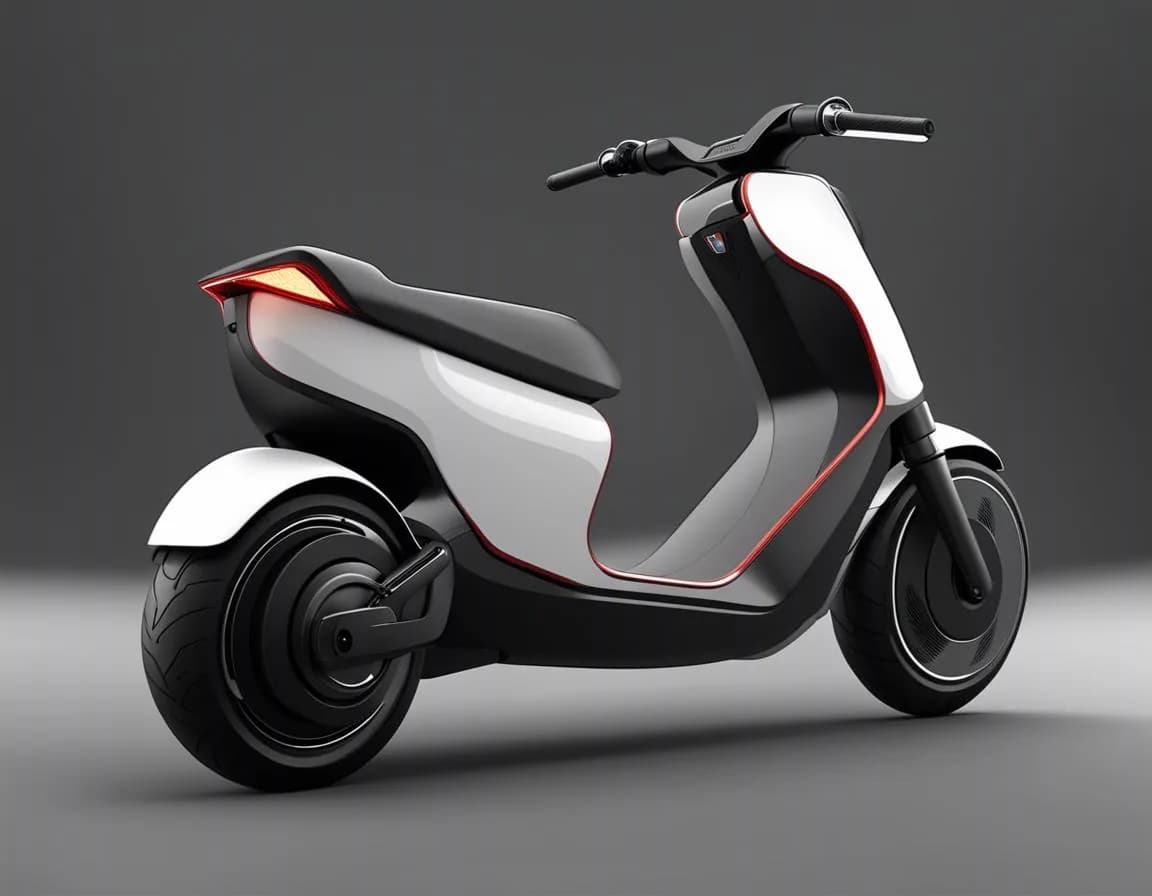
A connected two-wheel mobility concept for everyday movement and tourism.
Project frame
A mobility concept combining electric two-wheelers, local production, battery exchange, cycling infrastructure and renewable charging ideas.
The page translates the source material into a development narrative. Historical metrics, forecasts, named participants and status claims are excluded unless they can be used as clearly qualified concept context.
The mobility challenge
Bali’s daily movement and visitor economy place sustained pressure on roads, air quality and travel time.
The study explores smaller electric vehicles as one part of a broader system that also needs safe routes, energy, parking, maintenance and public acceptance.
Electric two-wheelers
The concept combines pedal-assist bicycles and electric scooters for different journeys.
- Pedal assistance for accessible cycling
- Electric scooters for daily urban movement
- QR-enabled access and battery identification
- Vehicle standards, maintenance and rider safety
Local manufacturing
Assembly or production in Indonesia could support serviceability, skills and supply resilience.
The case would need to define local content, components, factory processes, quality systems, supplier capability and realistic volume. Historic production forecasts are excluded.
Battery exchange
Swappable batteries could reduce charging downtime if stations, packs and software are interoperable.
- Safe battery standards and identification
- Station siting and power availability
- Charging, storage and thermal controls
- Lifecycle, repair and end-of-life handling
Cycling infrastructure
Vehicles do not solve safety without a connected route network.
Dedicated lanes, junction design, parking, wayfinding and enforcement would need to work for residents, workers and visitors rather than isolated demonstration routes.
Renewable charging concepts
The study explores small-scale renewable energy, including micro-hydro ideas linked to Bali’s water landscape.
Any interface with Subak systems requires environmental, cultural, water-management and community authorisation. The concept does not assume physical alteration is acceptable.
Tourism and daily mobility
A durable model needs to serve practical daily trips as well as visitor movement.
- Commuting and local services
- Short visitor journeys
- Rental and shared-use operations
- Links to public transport and destinations
Development ecosystem
Public authorities, communities, energy providers, manufacturers, operators, tourism businesses and service partners all shape viability.
The organisations named in the source are not presented as confirmed partners. Engagement and current regulatory analysis would precede any programme.
Development context
Visualising the system, not evidence of delivery.
Conceptual visuals support the editorial narrative. They are not evidence of constructed or operating assets.

Related portfolio
Continue across the development platforms.
Sustainable Industry Concept
Hijau Living
East Kalimantan / Nusantara development context
A circular-industry concept that connects recovered plastic and wood residues with wood-plastic composite panels and construction applications.
Explore project
Sustainable Industry Concept
Semayang Tyre Recycling
Balikpapan, East Kalimantan
A circular-industry concept covering used-tyre collection, storage, processing, recovered-material markets, permits and implementation.
Explore projectStrategic Infrastructure Study
North Bali International Airport
Buleleng, North Bali
A strategic study of a northern airport gateway, its terminal and transport ecosystem, regional role, environmental context and development dependencies.
Explore projectThis page presents a development concept or study. It does not state that the project is owned, financed, approved, appointed, constructed, delivered or operated by PT Asiah Legal Jaya. Current status requires independent verification.